Peer Advocacy Writing Help
Your words, your experiences, and your desire to create change.
Connecticut’s peer recovery community is rich with passionate and committed advocates. At RIPPLE, we believe every voice matters, and we will always encourage individuals to stand up, speak out, and be heard. Advocacy is strengthened through shared experience, and each person who steps forward contributes meaningfully to improving our system of care and protecting the rights of those who rely on it.
Many advocates have been trained by and work alongside organizations such as Advocacy Unlimited and the Keep the Promise Coalition. These connections play an important role in keeping the community informed about legislative developments and opportunities to engage in the advocacy process. These efforts help ensure that individuals are aware of when and how to testify, submit written comments, or participate in public dialogue.

Our Peer Advocacy Writing Help program is designed to build on that foundation by offering direct, individualized support to advocates who want to strengthen their message. Whether you are preparing testimony, writing a letter to a public official, submitting a letter to the editor, or communicating your own lived experience, RIPPLE is here to help you refine your words while staying true to your voice. We focus on clarity, structure, tone, and impact, helping you present your perspective in a way that is both authentic and effective.
Our goal is not to change what you want to say, but to support how you say it. By working together, we can ensure that your message is heard, understood, and taken seriously, because your experience, your insight, and your voice matter.
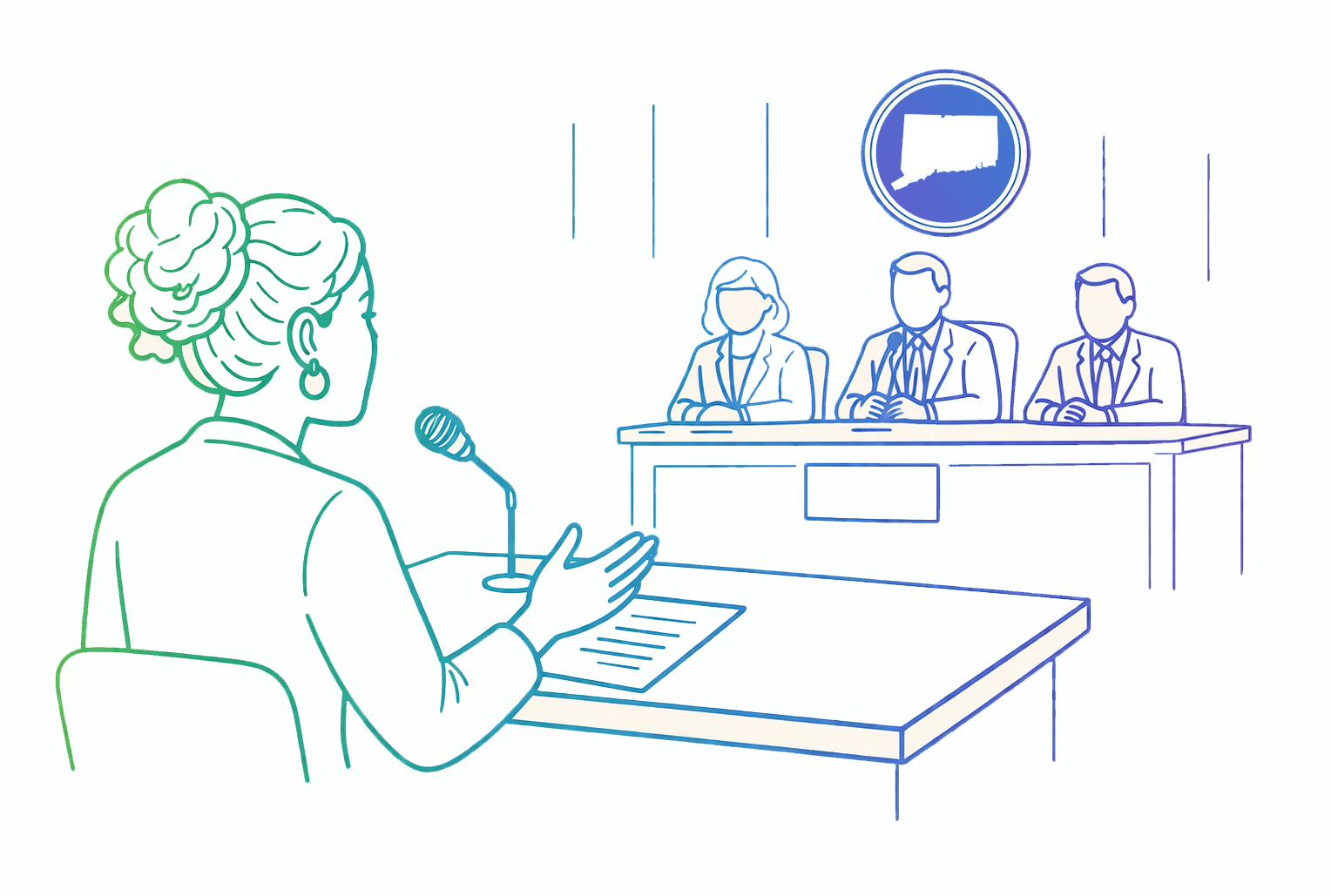
Why We Created This Service
We recognize that expressing your thoughts in writing can be just as difficult as speaking in public. For many people, challenges such as learning disabilities, organizing ideas, uncertainty around grammar, or concerns about being misunderstood can make advocacy feel out of reach. These barriers can discourage individuals from sharing perspectives that are important and needed.
Peer Advocacy Writing Help was created to remove those barriers. At RIPPLE, this work is personal, many of us have navigated these same challenges ourselves.
We believe that difficulty with writing should never stand in the way of being heard. This service exists to provide support, build confidence, and ensure that everyone has a fair opportunity to communicate their experiences, ideas, and concerns effectively. Every advocate in our community began with a first step. It is never too late to share your story, stand in your beliefs, or play a role in creating meaningful change.
How It Works
Getting support is simple and designed to meet you where you are.
Start by sending us your draft, whether it’s a rough outline or a nearly finished piece. You don’t need to have everything figured out. Let us know your goal, whether you’re preparing testimony, writing to a public official, or sharing your personal story.
From there, we review your writing and offer thoughtful, respectful suggestions to improve clarity, structure, and overall impact. You remain in control of your message at every step, you decide what changes to use and what feels right to you.
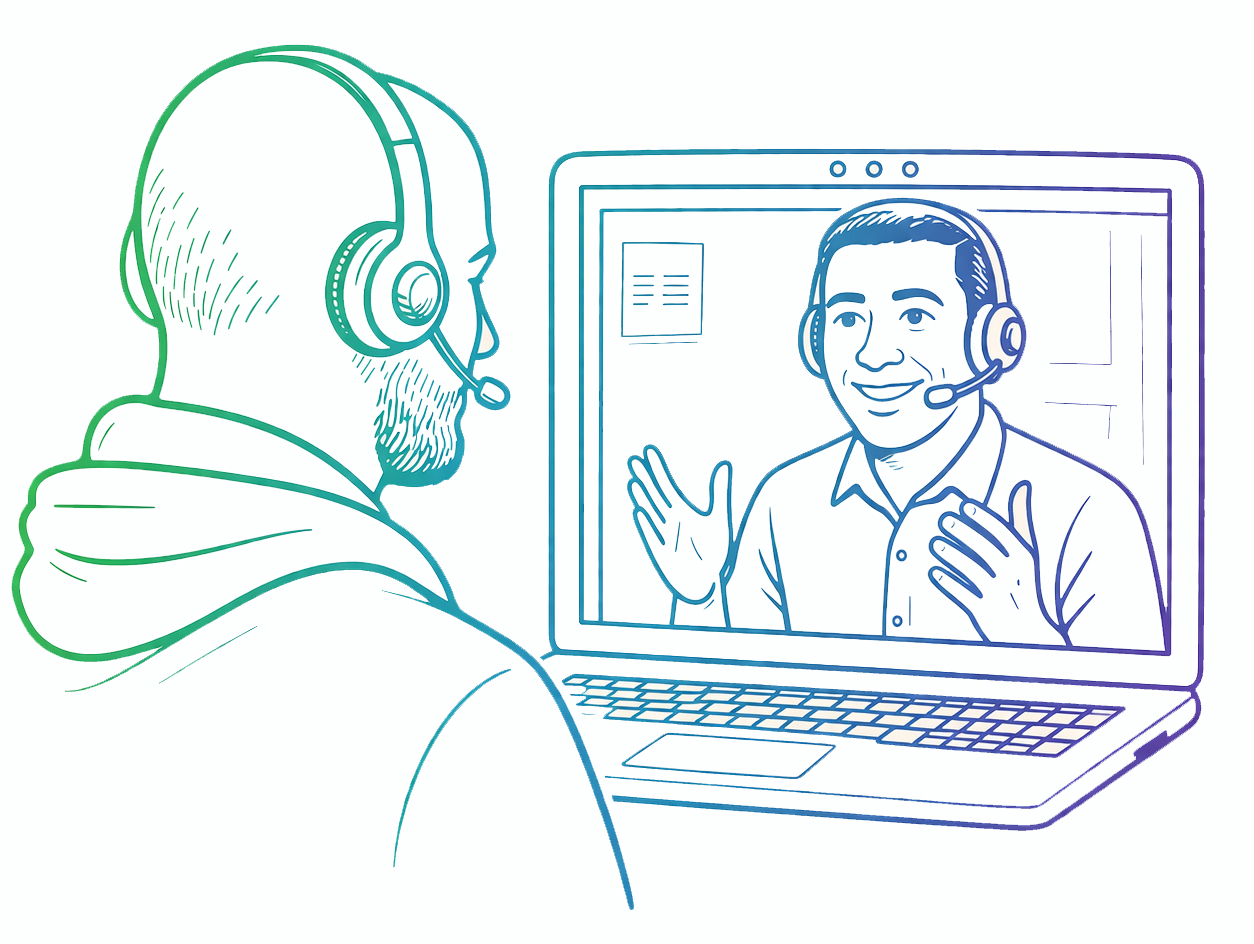
If it would be helpful, we can connect by phone or Zoom to better understand your perspective and support you more directly. Once your document is finalized, we return it to you. Your work remains completely confidential and is never shared with anyone else.
Our role is simple: to support you in expressing your voice clearly, confidently, and in a way that stays true to who you are. Please remember that this is a free service and during the Connecticut legislative session demand may be high. During those times we would ask that written testimony submissions be kept to two pages so we can help as many people as possible.
To send us your submission, set up a Zoom call, or for more information contact info@ripplect.org
Writing Tips:
When preparing testimony or writing to community leaders, the goal is to communicate your message clearly, respectfully, and in a way that encourages action. The following tips can help strengthen your impact:
- Be Clear and Solution-Focused
Clearly identify the issue and explain how it affects you or others. Whenever possible, offer constructive ideas or potential solutions. Collaboration is more effective than assigning blame and helps build positive, ongoing relationships.

- Maintain a Respectful Tone
Advocacy often comes from a place of strong emotion. While your passion is important, expressing your message with respect increases the likelihood that it will be heard and taken seriously.
- Support Your Message with Information
If you are presenting testimony, be mindful of time limits (typically around three minutes). Submit a written version in advance and include sources for any facts or statistics you reference. Bring a copy with you for easy reference during questions.
- Review and Refine Your Writing
Proofread your work carefully to ensure clarity and professionalism. Use tools like spell check or grammar assistance programs, and consider reading your writing aloud or using text-to-speech to catch errors more easily.
- Be Concise and Purposeful
Clearly state your request, explain the issue, and describe its impact. Keep in mind that community leaders have limited time, so a focused and well-structured message is more likely to receive a response. Always thank them for their time and consideration.
- Take Time Before Writing When Emotions Are High
Strong emotions are valid and important to share, but writing in the moment of frustration can affect tone and clarity. Take time to reflect, then communicate your experience in a way that is direct, honest, and constructive.